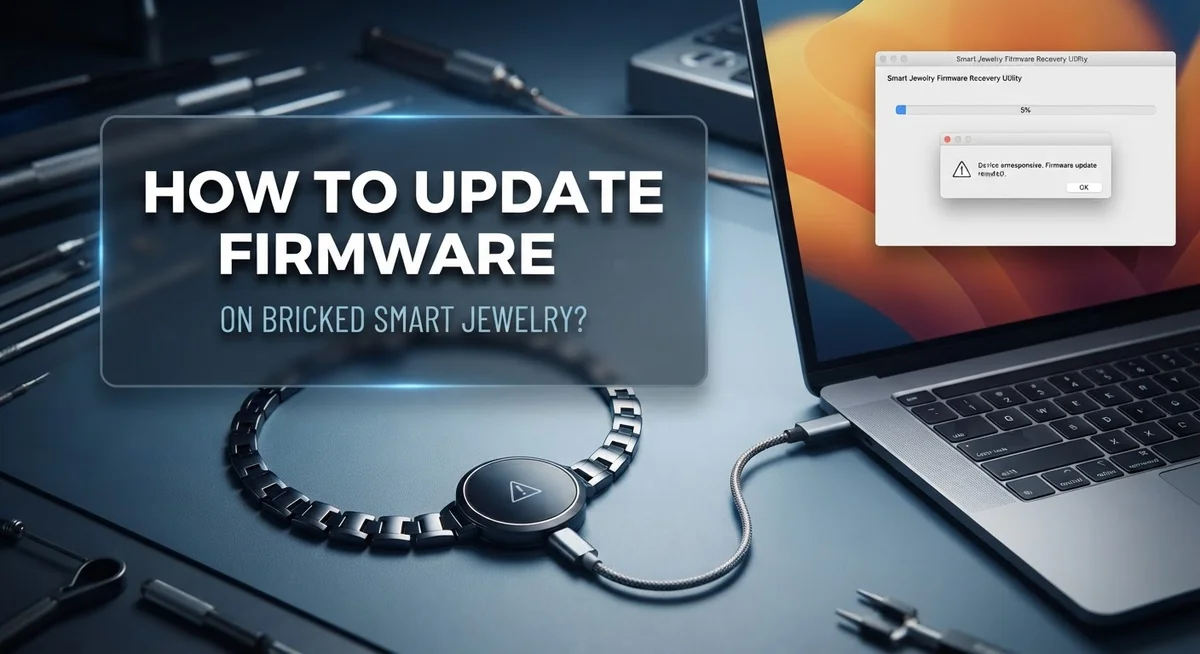
How To Update Firmware On Bricked Smart Jewelry?
Your smart jewelry just stopped working after a firmware update. The screen is blank, it won’t sync, and nothing seems to respond. This is called “bricking,” and it happens more often than you’d think.
A bricked device feels like a total loss, but it usually isn’t.
Firmware updates can fail for several reasons. A lost connection, an incompatible file, or an interrupted process can all cause the device to freeze up completely. Older smart jewelry is especially vulnerable to these kinds of failures.
The good news is that most bricked smart jewelry can be recovered. Two main methods work well: using a microSD card with fresh firmware files or applying a recovery package. Both approaches can bring your device back to life without any special technical skills.
This guide walks you through exactly what to do, step by step.
In a Nutshell
Bricked smart jewelry can almost always be recovered using the right firmware file and a microSD card formatted as FAT32.
Always download firmware files directly from the official manufacturer website to avoid using incompatible or corrupted versions.
Interrupting the update process is one of the most common reasons devices get bricked in the first place, so never disconnect power mid-update.
If the first recovery attempt fails, try using a separate recovery package on a freshly formatted microSD card.
Older devices carry a higher risk of update failure, so double-check that your firmware version is compatible with your specific model before starting.
If your computer does not recognize the device after recovery, check Device Manager for unknown devices and update the drivers manually.
What Does It Mean When Smart Jewelry Is Bricked?
A bricked smart jewelry device is one that stops working completely after a firmware update fails. The device becomes unresponsive and won’t power on or connect to any app or system.
This happens because firmware is the software that runs your device. When an update gets interrupted or corrupted, the device loses its ability to function. It’s like the device’s brain stops receiving instructions.
Why does bricking occur? Several things can cause this problem. A weak internet connection during the download phase can corrupt files. Pulling out the USB cable too early stops the process mid-way. Using incompatible firmware versions for your specific device model creates conflicts. Power failures or battery drain while updating also brick devices.
The word “bricked” comes from the fact that your device becomes as useful as a brick. It won’t turn on, respond to button presses, or communicate with your phone or computer.
Here’s the important part: bricked devices are usually recoverable. You don’t need to throw it away or buy a replacement. Most manufacturers provide recovery methods using microSD cards or special recovery packages.
Older smart jewelry models face higher risks during updates. These devices sometimes have compatibility issues with newer firmware versions. Manufacturers know this, so they often provide specific recovery tools for older models.
The recovery process involves downloading the correct firmware file, preparing a microSD card, and running a recovery update. It takes patience and following steps carefully, but it works in most situations.
Understanding what bricking means helps you prevent it from happening in the first place. You’ll know exactly what went wrong and how to fix it properly.
Why Firmware Updates Cause Smart Jewelry To Brick
Firmware updates can brick smart jewelry when something goes wrong during the installation process. Your device becomes unresponsive because the update interrupts before completing.
Connection failures are the primary culprit. If your internet drops or USB cable disconnects mid update, the firmware file stops transferring. Your device is left with incomplete software that cannot run properly.
Incompatible firmware versions also cause bricking. Older smart jewelry models sometimes receive updates designed for newer hardware. Installing the wrong version creates conflicts that lock your device completely.
Power loss during updates is another major problem. If your device’s battery dies while firmware is installing, the process halts instantly. The incomplete software leaves your device unable to boot or respond to commands.
Interrupted update processes happen when users force stop the update or restart their device too early. The firmware needs uninterrupted time to fully install. Impatience during this critical window causes permanent issues.
Corrupted firmware files create problems before updates even start. If you download from unofficial sources or the file gets damaged during transfer, installation fails. Your device receives broken software that cannot function.
Device driver issues on your computer can prevent proper communication during updates. If your computer doesn’t recognize your smart jewelry, the firmware cannot transfer correctly to the device.
The good news is that most bricked devices recover successfully. You can restore functionality using recovery packages and a properly formatted microSD card. The recovery process bypasses the broken firmware and reinstalls a working version.
Understanding these causes helps you avoid bricking in the future. Stable connections, correct firmware versions, and uninterrupted update time prevent most problems.
What You Need Before Attempting a Firmware Recovery
Before you attempt to recover your bricked smart jewelry, gather the right tools and information. This preparation step prevents mistakes and saves you time.
First, you need a microSD card. The card should have enough storage space for your firmware files, usually 2GB or more works fine. Make sure the card is in good working condition and not corrupted itself.
Next, locate your device’s official manufacturer website. Visit their support or downloads section to find the correct firmware file for your specific model. Write down your exact device model number before searching. This ensures you download the right firmware version.
You’ll also need a card reader to transfer files from your computer to the microSD card. This can be a standalone device or a built in slot on your computer. Test it beforehand to confirm it works properly.
Have a computer with stable internet access ready. Download the firmware file completely before starting any recovery process. A slow or interrupted download creates corrupted files that cause more problems.
Check that you have proper cables and connectors available. You may need the original USB cable that came with your device or a compatible replacement. Keep these cables nearby during the recovery attempt.
Consider having a second device or phone available. You can reference recovery instructions on this device while working on your jewelry. This prevents you from losing important steps.
Finally, set aside uninterrupted time for the recovery process. Plan for at least 30 to 60 minutes without distractions. Recovery can take longer than regular updates, so patience matters.
How To Download the Correct Firmware for Your Device
Finding the correct firmware for your smart jewelry is the first critical step in recovery. Start by visiting your device’s official manufacturer website. Look for a support or downloads section. Most companies organize firmware files by device model and version number.
Check your device model carefully. You can usually find this information on the device itself, in the original packaging, or in your purchase confirmation email. Write down the exact model number. Downloading firmware for a different model will not work and may cause additional problems.
Visit the manufacturer’s support page and search for your specific model. Firmware files are typically labeled with version numbers like “v2.1” or “firmware update 3.0”. Download the file to a folder on your computer where you can easily locate it later.
Verify the file integrity before proceeding. Many manufacturers provide a checksum or hash value. This is a long string of numbers and letters. You can use your computer’s built in tools to confirm the downloaded file matches this value. This step ensures your file didn’t get corrupted during download.
Save the firmware file in a dedicated folder on your desktop. Do not place it in temporary folders or downloads that auto delete. Keep the file name exactly as the manufacturer provided it. Do not rename or modify the file extension.
Take a moment to double check everything. Confirm you have the right model number. Verify the firmware version is appropriate for your device. Make sure the file downloaded completely and shows the correct file size listed on the manufacturer’s website.
Once you’ve confirmed all details, you’re ready to prepare your microSD card for the recovery process.
Step-By-Step: Recovering Bricked Smart Jewelry via microSD Card
Now that you have your firmware file ready, it’s time to prepare your microSD card. This step is crucial because an improperly formatted card will prevent your device from recognizing the recovery files.
Start by inserting your microSD card into a card reader. Connect the reader to your computer using the appropriate USB cable. Wait a few seconds for your computer to detect the card. You should see it appear in your file manager or Device Manager window.
Next, format the card to FAT32. Right click on the microSD card in your file manager. Select the format option from the menu. Choose FAT32 as your file system format. Give the card a simple name like “Recovery” or leave it blank. Click confirm to begin formatting. Warning: formatting erases all existing data on the card, so back up any important files first.
Once formatting completes, you’re ready to transfer your firmware files. Extract the firmware file you downloaded earlier. Copy all extracted files to the root directory of your microSD card. The root directory is the main folder you see when you open the card. Do not place files in subfolders or nested directories.
Verify that all files transferred successfully. Check the file names match what the manufacturer specified. Ensure no files appear corrupted or incomplete.
Safely eject your microSD card from the computer. Remove it from the card reader carefully. Inspect the card contacts for any dust or debris. Clean gently with a soft, dry cloth if needed.
Your microSD card is now ready for the recovery process. You can proceed to insert it into your bricked smart jewelry device and initiate the recovery sequence.
How To Fix Driver and Device Recognition Issues During Recovery
When your smart jewelry doesn’t recognize on your computer, driver issues are usually the culprit. Your device may appear as an unknown device in Device Manager. This happens because your system lacks the correct communication software for your specific jewelry model.
Start by connecting your bricked device to your computer using the proper cable. Open Device Manager on your Windows computer. Look for any devices with yellow warning icons or labeled as “Unknown Device.” Right click on the unrecognized device and select “Update driver.”
Choose the option to browse your computer for driver software. Navigate to the folder where you extracted your firmware files. Your device drivers are often included in the recovery package alongside the firmware. Let your system search for and install the correct drivers automatically.
If Device Manager still shows your device as unrecognized, try these steps. First, disconnect your jewelry completely from the computer. Wait 30 seconds, then reconnect it. Sometimes a fresh connection helps your system detect the device properly.
Update your computer’s USB drivers as well. Visit your computer manufacturer’s website and download the latest USB drivers. Install these updates and restart your computer before attempting recovery again.
If your device still won’t appear, try a different USB port on your computer. Some ports may have connection issues. Avoid USB hubs and connect directly to your computer’s main USB ports instead.
Once your device shows up in Device Manager without warning icons, you’ve successfully resolved the driver issue. Your smart jewelry is now ready for the firmware recovery process using your prepared microSD card.
Common Mistakes To Avoid When Updating Firmware on Smart Jewelry
Firmware updates on smart jewelry fail for several reasons. Understanding common mistakes helps you avoid turning your device into a brick.
Interrupting the update process is the biggest culprit. Never disconnect your device or pull the microSD card while the update runs. This breaks the firmware installation mid way. The device loses critical files and stops working. Always let the update finish completely, even if it takes several minutes.
Using the wrong file format causes major problems. Your microSD card must be formatted as FAT32, not NTFS or exFAT. Other formats prevent your smart jewelry from reading the firmware files. Format your card before transferring any files to it.
Improper file extraction leads to corruption. Don’t create extra folders on your microSD card. Place firmware files directly in the root directory. Nested folders confuse the device’s recovery system. Double check that all files copied successfully to the card.
Downloading firmware from unofficial sources is risky. Always get files from the manufacturer’s website only. Third party sources often have corrupted or incompatible versions. These damaged files brick devices instantly.
Updating older devices with newer firmware versions creates compatibility issues. Check that your firmware version matches your device model exactly. Mismatched versions don’t install properly and disable your jewelry.
Poor internet connection during downloads corrupts firmware files. Use a stable, wired connection when possible. Mobile hotspots are unreliable for large file transfers. A broken download means a broken device.
Finally, don’t update while your device battery is low. Ensure your smart jewelry has at least 50 percent battery before starting. Low battery causes the device to shut down mid update, destroying the firmware installation.
Troubleshooting: What To Do If Recovery Still Fails
If your recovery attempt still fails after trying the microSD card method, don’t lose hope. Several additional troubleshooting steps can help restore your device.
First, verify you downloaded the correct firmware version for your specific device model. Mismatched firmware versions prevent successful recovery even with proper procedures. Check the manufacturer’s website again and confirm the exact model number matches your smart jewelry.
Try a different microSD card if possible. Sometimes the card itself has read errors or compatibility issues that prevent proper file access. Format the new card to FAT32 and repeat the file transfer process carefully.
Reset your computer’s USB connection completely. Unplug all USB devices, restart your computer, and wait five minutes before reconnecting. This clears temporary connection errors that block device recognition during recovery.
Check your computer’s USB port directly. Connect your device to a rear USB port on a desktop computer or a different port on your laptop. Front USB ports sometimes deliver insufficient power for recovery operations.
If your device still won’t respond, try connecting it to a different computer entirely. This eliminates computer-specific driver conflicts or USB controller problems that might prevent recovery success.
Leave your device connected and idle for 15 minutes. Some recovery processes require extended time to complete background operations. Patience helps in this step.
As a final option, contact the manufacturer’s support team with details about your recovery attempts. They can provide device-specific recovery packages or alternative methods for your particular model.
Recovery is usually possible even after multiple failures. Systematic troubleshooting identifies the exact problem preventing your device from responding to standard recovery procedures.
Final Thoughts
Recovering a bricked smart jewelry device takes patience, but it is absolutely possible in most cases.
The microSD card method is your most reliable recovery tool. Always format it as FAT32, extract files to the root directory, and never interrupt the process once it starts.
Small mistakes cause big problems. Using the wrong firmware version, a poor internet connection, or a low battery can turn a simple update into a full brick situation.
Driver issues are often overlooked but easy to fix. Device Manager is your friend when your computer refuses to recognize the device. Updating USB drivers takes only a few minutes and can unlock the entire recovery process.
Older devices need extra attention. They are more vulnerable to compatibility issues, so always double-check that your firmware version matches your specific device model before starting anything.
Never download firmware from unofficial sources. The manufacturer’s website is the only safe place to get your recovery files. Third-party files carry serious risks that can make things worse.
If one recovery attempt fails, try a different microSD card, a different USB port, or even a different computer. Sometimes the fix is simpler than you think.
Contacting the manufacturer’s support team is always a valid option. They have seen these issues before and can guide you through device-specific steps that general guides cannot cover.
Firmware recovery is not a guaranteed process for every device, but following the correct steps dramatically improves your chances of success.
Stay calm, follow each step carefully, and give your device the time it needs. Most bricked smart jewelry can be brought back to life with the right approach.
Frequently Asked Questions
Can I really recover a bricked smart jewelry device?
Yes, you can recover most bricked devices. The microSD card method works well for many situations. Your manufacturer likely provides recovery packages on their website. Recovery takes time and patience, but success is very possible.
Why does my device refuse to recognize after recovery attempts?
This usually means driver issues on your computer. Open Device Manager and look for unknown devices. Update the drivers for your smart jewelry. Sometimes your USB port needs attention too. Try a different USB port on your computer first.
What file format should my microSD card use?
Your microSD card must be formatted as FAT32. Other formats like NTFS won’t work. Format the card on your computer before adding any firmware files. This is a common mistake that prevents recovery from working.
Should I attempt firmware updates on older smart jewelry devices?
Older devices need extra caution. They often have compatibility issues with newer firmware versions. Check your device manual to see which firmware versions work best. Contact manufacturer support if you’re unsure which version is safe. Updating with incompatible firmware causes bricking.
What should I do if the microSD card method still fails?
Try a different microSD card first. Verify you downloaded the correct firmware for your exact device model. Connect your device to a different computer and try again. Leave it idle and connected for 15 minutes. If nothing works, reach out to manufacturer support with details about your recovery attempts.

I’m a tech enthusiast who loves breaking down gadgets, apps, and tools into simple, honest reviews. At GenResizeHub, I help you make smarter buying decisions through in-depth comparisons and easy-to-follow guides. Got a question? Drop me a mail!